

Cat Feeding Guide

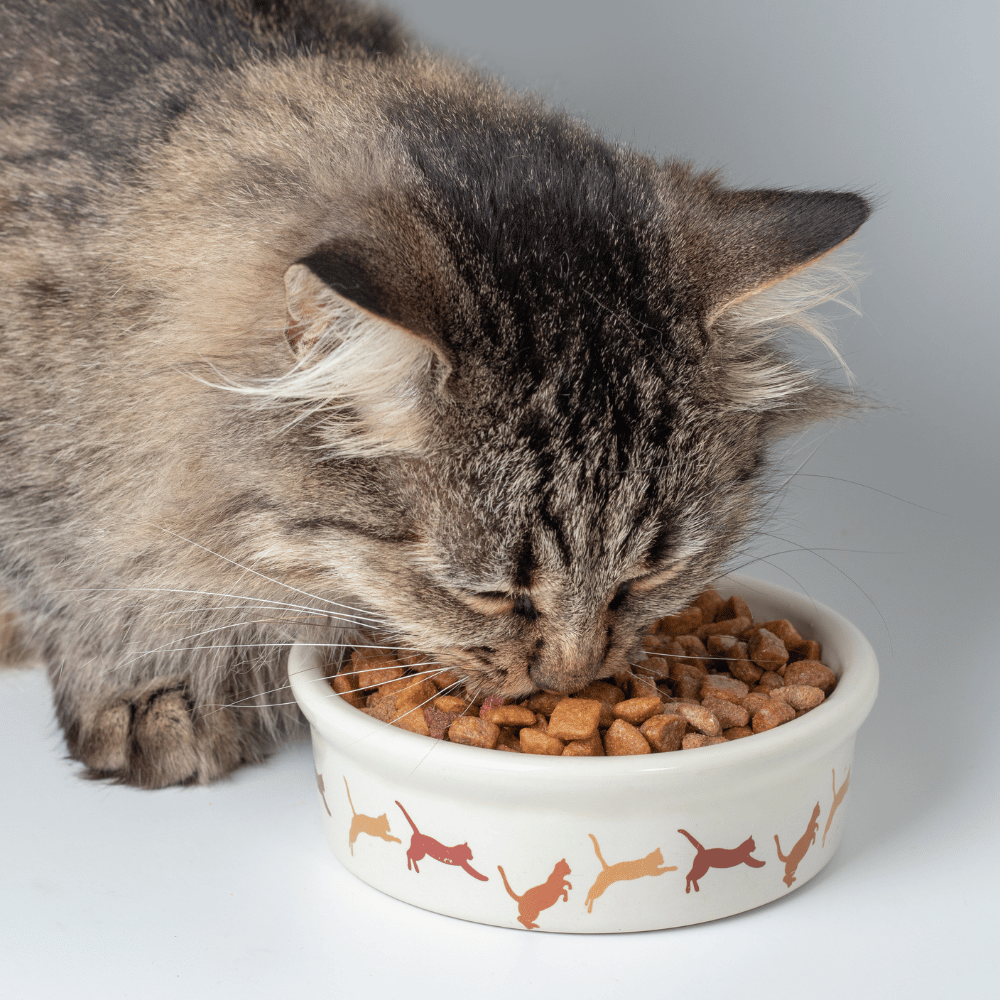
How Much Should I Feed My Cat?
The amount your cat needs each day depends on several factors, including:
- Age: Kittens need food to support their growth, while adult and senior cats have different nutritional requirements.
- Weight and body condition: A cat’s current weight and whether they need to gain, maintain or lose weight can influence their feeding allowance.
- Activity level: More active cats may need more energy than cats who spend most of their time indoors resting.
- Neutering status: Neutered cats can have lower energy requirements, so portion sizes may need to be reviewed.
- Type of food: Wet and dry foods vary in their calorie content, meaning feeding amounts can differ considerably between products.
The feeding guide on your cat food packaging is the best starting point. Use the recommendations for the specific product you feed, then monitor your cat’s weight and body condition to check whether their portions are suitable.
How to Calculate Your Cat’s Daily Food Allowance
Working out how much to feed your cat doesn’t need to be complicated. Follow these simple steps to establish a suitable starting portion.
1. Check Your Cat’s Weight
Weigh your cat regularly so you can monitor any changes over time. If you’re unsure whether their current weight is healthy, ask your vet to assess their body condition and advise on an appropriate target weight.
For cats that need to lose weight, avoid simply cutting their food drastically. A vet can help you establish a safe feeding plan that provides the nutrients they need.
2. Read the Feeding Guide on the Packaging
Look at the feeding table on your chosen cat food. It will usually provide a recommended daily amount based on your cat’s weight, age or life stage.
Make sure you’re checking the correct table for the food you’re using. Feeding recommendations can differ between brands and even between products from the same brand.
Remember that the suggested amount is a guide rather than an exact requirement for every cat.
3. Measure the Daily Portion
Once you’ve identified the recommended daily amount, measure it using a kitchen scale or an appropriate measuring scoop. Weighing dry food can help you keep portions consistent, as estimating by eye can lead to overfeeding.
For example: If the feeding guide recommends 60g of dry food per day, you could divide this into three meals of 20g each.
This is an illustrative example only. Always follow the feeding guide for your chosen product and your cat’s individual needs.
4. Adjust Portions When Needed
Monitor your cat’s weight, shape and appetite over time. If they’re consistently gaining or losing weight, their daily allowance may need to be reviewed.
Make changes gradually and seek veterinary advice if your cat experiences unexplained weight changes, a persistent change in appetite or other signs of ill health.
How Often Should You Feed Your Cat?
Many adult cats do well with two or more measured meals throughout the day. The best routine will depend on your cat’s preferences, lifestyle and individual needs.
- Kittens: Usually need smaller, more frequent meals to support their growth. Follow the feeding guidance for their age and chosen food.
- Adult cats: Can often be fed two or more meals a day, with the daily allowance divided between them.
- Senior cats: May benefit from smaller meals offered more frequently, particularly if their appetite or eating habits have changed.
Try to establish a consistent routine and measure the total amount your cat receives each day. If you leave dry food available for grazing, measure the daily allowance rather than continually topping up the bowl.
Wet Food, Dry Food or Mixed Feeding?
Both wet and dry cat food can form part of a balanced diet, provided you choose a complete cat food that is suitable for your cat’s life stage.
Wet Cat Food
Wet food has a high moisture content, which can contribute to your cat’s daily water intake. It is available in a variety of textures and flavours, including pâté, jelly and gravy.
Wet food is often portioned into pouches or tins, making it convenient to serve individual meals. However, the number of pouches or tins your cat needs will depend on the product and their daily energy requirements.

Dry Cat Food
Dry food is convenient to store and measure, and many cats enjoy having it divided into meals throughout the day. Its energy content can vary, so even a relatively small portion may provide a substantial amount of calories.
Measure your cat’s daily allowance carefully and make sure fresh drinking water is always available.

Can You Feed Wet and Dry Food Together?
Yes. Mixed feeding can provide variety and combine the benefits of both food types. The important thing is to account for the amount of each food your cat receives.
Don't feed the full recommended daily amount of wet food and the full recommended daily amount of dry food on top of it, as this could result in overfeeding.
Check the manufacturer's mixed-feeding recommendations or ask your vet for help working out suitable proportions.
Choosing the Right Cat Food
Your cat’s age, lifestyle and nutritional needs should guide your choice of food. Look for a complete diet suitable for their life stage, and follow the feeding recommendations on the packaging.
Kitten Food
Kittens grow rapidly and need a diet formulated to support healthy development. Kitten food is designed to provide the nutrients and energy needed during this important stage.
Choose food labelled as complete for kittens and follow its age-appropriate feeding guide. As your kitten grows, their daily requirements will change.
Adult Cat Food
Once your cat reaches adulthood, a complete adult formula can help provide the nutrients they need to maintain their health and condition.
Choose a food suitable for your cat’s lifestyle and monitor portion sizes to help prevent unwanted weight gain.
Food for Neutered and Indoor Cats
Neutered cats and cats with a less active indoor lifestyle may be more prone to weight gain if their calorie intake exceeds their needs.
Some foods are specifically formulated for neutered or indoor cats. These may be worth considering alongside careful portion control and regular weight monitoring.
Senior Cat Food
As cats get older, their nutritional needs and eating habits may change. A suitable senior formula can help provide nutrition tailored to their life stage.
Pay attention to changes in appetite, weight, thirst or eating behaviour, as these can sometimes indicate an underlying health issue. Speak to your vet if you notice anything unusual.

Tips for Keeping Your Cat at a Healthy Weight
Getting portions right is an important part of feeding your cat, but a few simple habits can also help you maintain a healthy feeding routine.
- Measure meals: Use a kitchen scale or suitable measuring scoop rather than estimating portion sizes.
- Account for treats: Treats and extras contribute to your cat’s total calorie intake. Offer them in moderation and account for them when planning daily portions.
- Provide fresh water: Make sure clean drinking water is always available, particularly if your cat eats mainly dry food.
- Monitor weight: Weigh your cat regularly and keep an eye on changes in their body shape.
- Keep feeding routines consistent: Regular meal times and measured portions make it easier to monitor how much your cat eats.
- Review portions as their needs change: Age, activity levels, neutering and health can all affect how much food your cat needs.
If your cat needs to lose weight, seek veterinary advice before making significant changes to their diet. Cats should not be put on crash diets or deprived of food to encourage rapid weight loss.
Find the Right Food for Your Cat
From everyday adult food to kitten and senior formulas, choosing a suitable complete diet is the first step towards a healthy feeding routine.
Explore CocoPet’s range of wet and dry cat foods to find an option that suits your cat’s life stage and preferences.
If you’re unsure which food or portion size is right for your cat, your vet can help you make an informed choice based on their individual needs.
Best Sellers

Red Mills Classic Chicken & Fish Complete Dry Cat Food for All Cats & Kittens
Choose your option


Whiskas Fish Favourites in Jelly Wet Cat Food for Adult Cats
Choose your option


Carnilove Rabbit with Marigold in Gravy Wet Cat Food for Kittens, 85g
Choose your option


James Wellbeloved Grain Free Salmon in Gravy Wet Cat Food for Adult Cats, 12 x 85g
Choose your option


Carnilove Wild Boar with Chamomile in Gravy Wet Cat Food for Adult Cats, 85g
Choose your option


Carnilove Wet Cat Food Multipack for Adult Cats, 12 x 85g
Choose your option


Carnilove Pheasant with Raspberry Wet Cat Food for Adult Cats, 85g
Choose your option


Carnilove Duck with Catnip in Gravy Wet Cat Food for Adult Cats, 85g
Choose your option


Carnilove Trout with Echinacea Wet Cat Food for Adult Cats, 85g
Choose your option


Carnilove Turkey with Valerian Wet Cat Food for Adult Cats, 85g
Choose your option


Carnilove Lamb & Wild Boar Dry Cat Food for Adult Cats
Choose your option


Whiskas Poultry Feasts in Jelly Wet Cat Food for Adult Cats
Choose your option
Frequently Asked Questions
How do I know if I’m feeding my cat enough?
How do I know if I’m feeding my cat enough?
Start with the recommended daily amount on the food packaging and monitor your cat’s weight and body condition. A healthy feeding routine should provide adequate nutrition while helping your cat maintain an appropriate weight. If you’re unsure, your vet can advise on suitable portions.
Should I feed my cat according to their weight or age?
Should I feed my cat according to their weight or age?
Both matter. Age helps determine the type of food your cat needs, while weight and body condition help guide portion sizes. Always use the feeding instructions for the specific food and life stage, and seek advice if your cat is underweight or overweight.
Is one pouch of cat food enough for a day?
Is one pouch of cat food enough for a day?
Not necessarily. Some foods provide a complete daily allowance in a particular number of pouches, while others require several pouches or a combination of wet and dry food. Check the feeding guide on the packaging rather than assuming one pouch is sufficient.
Can I leave dry food out all day?
Can I leave dry food out all day?
Some cats prefer to graze, but leaving food available can make it harder to monitor how much they eat, especially in multi-cat households. If you choose to leave dry food out, measure the full daily allowance and avoid continually refilling the bowl.
Should I change how much I feed my cat after neutering?
Should I change how much I feed my cat after neutering?
Your cat’s energy requirements may change after neutering, so it is worth reviewing their portions and monitoring their weight. Follow the feeding guidance for your chosen food and ask your vet if you need help adjusting their allowance.
When should I speak to a vet about my cat’s diet?
When should I speak to a vet about my cat’s diet?
Seek veterinary advice if your cat loses weight unexpectedly, gains weight persistently, stops eating, develops a significant change in appetite or has difficulty eating. Cats with medical conditions may also need a specific diet or an individually tailored feeding plan.
