

Litter Tray Problems
Common Litter Tray Problems
Toileting Outside the Tray
If your cat suddenly starts urinating or pooing outside the tray, don't assume they're simply being difficult.
First, consider whether anything has changed:
- Have you changed the type or brand of litter?
- Is the tray being cleaned as regularly?
- Has the tray been moved?
- Is another cat preventing access to it?
- Has anything changed in the household?
- Is the tray too small or difficult to get into?
- Is your cat showing any other changes in behaviour?
If the behaviour is new or persistent, particularly if your cat is straining, going to the tray frequently, producing very little urine, showing signs of pain or has blood in their urine, contact your vet promptly.
Is Your Cat's Litter Suitable?
Cats can be surprisingly particular about what they walk on.
If your cat suddenly stops using their tray after you've changed litter, the litter itself could be the problem.
Different cats have different preferences when it comes to:
- Texture
- Smell
- Dust levels
- How the litter feels under their paws
- How well it absorbs moisture
- Whether it clumps
- The depth of litter in the tray
Strongly scented litter
While scented litter may smell pleasant to us, some cats may prefer an unscented option. If your cat is avoiding a strongly scented litter, consider trying a more neutral alternative.
Changing litter
If you need to change litter, try doing it gradually rather than switching suddenly. You can also offer two trays with different litter types and see which one your cat chooses.
Is the Tray in the Right Place?
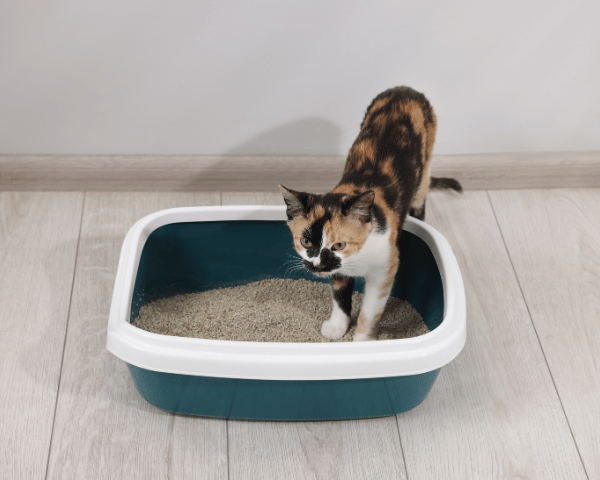
Cats generally prefer to toilet somewhere quiet, private and easy to access.
A tray positioned beside a noisy washing machine, in a busy hallway or somewhere your cat feels trapped may be avoided.
Try to choose a location that is:
- Quiet
- Easily accessible
- Away from busy household traffic
- Away from food and water
- Somewhere your cat feels safe
- Accessible at all times
If your cat has started toileting in a particular area, it can sometimes help to temporarily place a tray nearby and gradually move it once they're using it reliably.
Do You Have Enough Litter Trays?
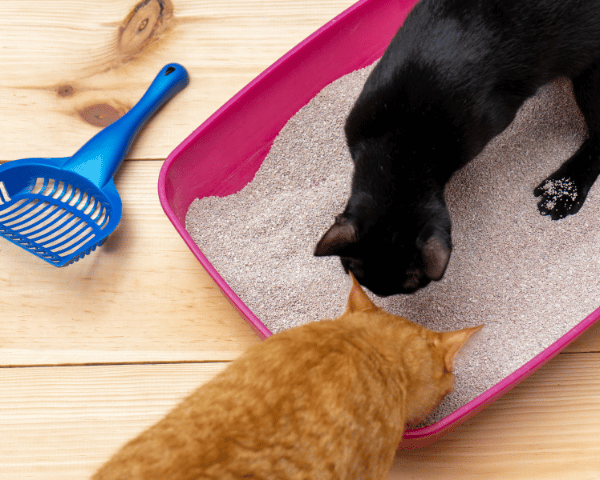
If you have more than one cat, sharing a single tray can cause problems.
Some cats are happy to share, while others aren't.
A commonly recommended starting point is: One litter tray per cat, plus one extra.
For example:
2 cats = 3 trays
3 cats = 4 trays
4 cats = 5 trays
Spread trays around the home rather than putting them all together.
This gives each cat options and reduces the chance of one cat preventing another from accessing a tray.
Is the Tray the Right Size?
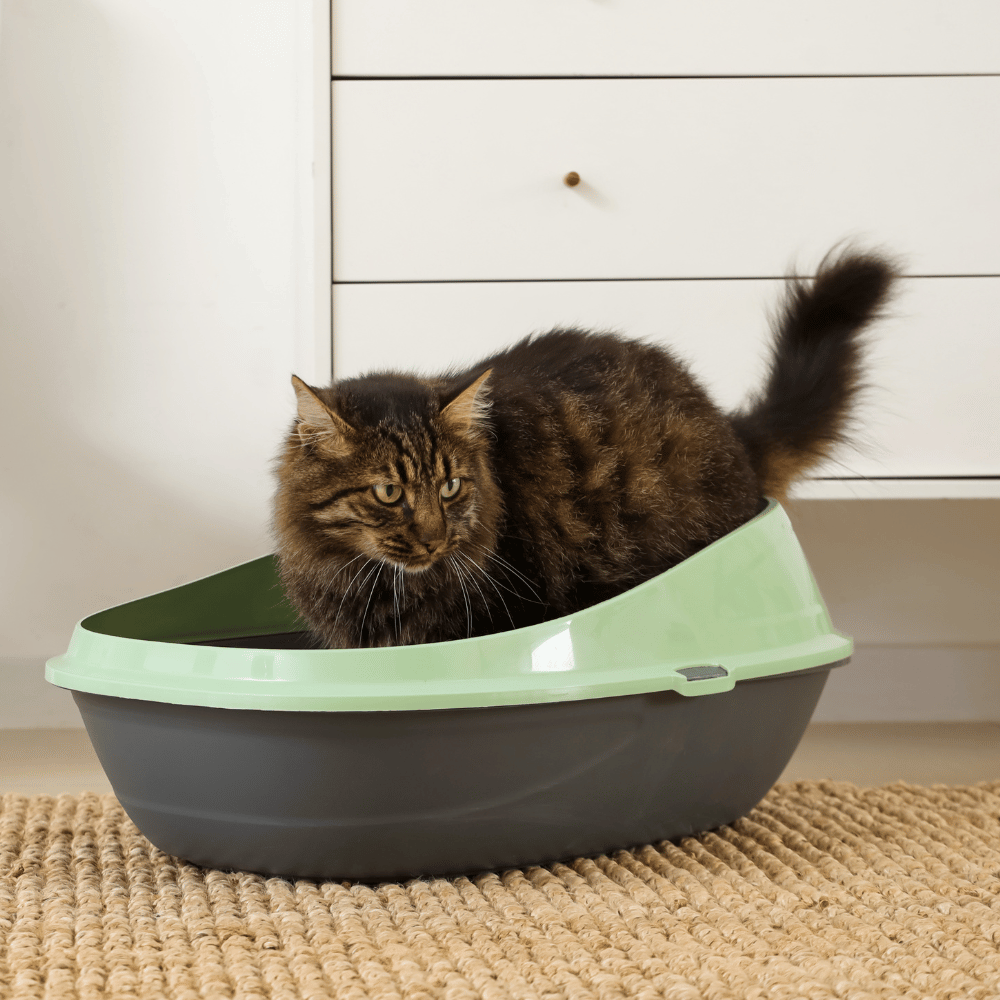
Your cat needs enough space to comfortably turn around, dig and position themselves.
If the tray is too small, your cat may choose somewhere else.
Large or covered trays aren't automatically better, either. Some cats prefer an open tray where they can see what's happening around them, while others prefer the privacy of a covered tray.
If your cat is avoiding their current tray, try offering a different style and see whether their behaviour changes.
What If My Cat Is Peeing Beside the Tray?
If your cat consistently urinates beside rather than inside the tray, look closely at the tray itself.
They may be trying to use it but struggling with something about it.
Consider:
- Is the tray large enough?
- Is the entrance easy to get through?
- Is there enough litter?
- Is the litter uncomfortable?
- Is the tray clean?
- Is the location suitable?
Older cats or cats with mobility problems may also find high-sided trays difficult to access.
A lower-entry tray may make things easier.
What If My Cat Is Spraying?
Spraying is different from normal urination.
A cat that is spraying will typically stand and deposit a small amount of urine onto a vertical surface, often with their tail held upright.
Spraying can be associated with territorial behaviour, stress or changes within the household.
If you're unsure whether your cat is spraying or simply toileting outside the tray, your vet can help you work out what may be happening.
Don't Forget About Cleaning Accidents
Once your cat has toileted somewhere outside the tray, cleaning the area thoroughly is important.
Cats can be attracted back to places that still smell of urine, even when we can no longer detect the smell ourselves.
An enzymatic pet urine cleaner can help break down the compounds responsible for the smell rather than simply masking it.
Clean the affected area thoroughly and allow it to dry before giving your cat access again.


How to Encourage Good Litter Tray Habits
Our Litter Tray Essentials


Savic Iriz 50cm Cool Grey Low-Entry Cat Litter Tray
Choose your option


Sepicat LightWeight Extreme Fresh Cat Litter, 8L
Choose your option


Golden Kat Litter
Choose your option


Cat's Best Original Clumping Cat Litter
Choose your option

Cat's Best Universal Litter, 5.5kg / 10L
Choose your option

Joe's Cat Recycled Paper Clumping Litter, 3kg
Choose your option


Pettex Pampuss Wood Pellet Cat Litter 30L
Choose your option


Catsan Cat Hygiene Non-Clumping Litter
Choose your option
When Should I Speak to a Vet?
If your cat has suddenly started toileting outside the tray, it's important not to assume that the cause is behavioural.
Urinary problems, constipation, digestive problems, pain and other health conditions can all affect toileting habits.
Contact your vet if your cat:
- Suddenly stops using their litter tray
- Strains or cries while urinating
- Visits the tray repeatedly
- Produces very little or no urine
- Has blood in their urine
- Appears to be in pain
- Is constipated or struggling to pass faeces
- Has diarrhoea or other digestive changes
- Is drinking or urinating noticeably more than usual
- Has any other sudden change in behaviour
If your cat is repeatedly trying to urinate but producing little or no urine, seek veterinary advice urgently.
Getting Litter Tray Problems Back on Track
Most cats have a reason for avoiding their litter tray.
By looking at the litter, tray, cleanliness, location and your cat's environment, you can often identify something that isn't working for them.
Make the tray easy to access, keep it clean, offer suitable litter and give your cat a quiet, comfortable place to toilet.
And if your cat's toileting habits suddenly change, don't forget to rule out a medical problem with your vet.
