

Dog Flea & Worming Guide

Signs Your Dog May Have Parasites
Fleas
- Excessive scratching
- Biting at the skin
- Flea dirt (black specks)
- Hair loss
Worms
- Scooting
- Weight loss
- Pot belly (especially puppies)
- Worms seen in faeces or around the back end
- Vomiting (in some cases)
Ticks
- Small lump attached to the skin
- Found after woodland or long grass walks
Some dogs show no obvious signs, which is why regular preventative treatment is important.
Build a Routine, Not Just a Reaction
Many owners only think about flea and worm treatment once they spot a problem.
By making parasite protection part of your regular routine, it's much easier to stay on top of your dog's health.
Think of it like vaccinations or grooming—small, regular steps can help prevent bigger problems later.

Puppy Protection
Puppies need a parasite control plan from an early age.
As they grow, treatment schedules and suitable products change, so always follow the advice provided with the product or by your vet.
Building the habit early means it's much easier to continue throughout your dog's life.
Which Protection Does My Dog Need?
Every dog’s lifestyle brings different risks from fleas, ticks, and worms. In the UK, fleas can be a year-round problem indoors, ticks are widespread in countryside and woodland areas (with risks of Lyme disease), and intestinal worms are common, especially in social or outdoor dogs. Heartworm is currently rare in the UK but can be a concern for dogs that travel abroad.
Vets generally recommend year-round protection tailored to your dog’s habits, combined with regular check-ups and faecal testing. Always speak to your vet for advice suited to your area and pet.

Mostly at Home
Lower risk, but still needs protection. Fleas can easily be brought indoors on clothing, shoes, or other pets and thrive in carpets and soft furnishings. Occasional garden access or local wildlife can introduce ticks or worm eggs.
Recommended Protection:
- Flea: Year-round monthly prevention is essential — fleas reproduce rapidly indoors.
- Tick: Good basic coverage, particularly if your garden borders green spaces or you’re in a tick-prone region.
- Worm: Regular broad-spectrum wormer covering common intestinal worms (roundworms, hookworms, tapeworms). Many flea/tick treatments also help with certain worms.
- Tips: Vacuum regularly, wash bedding on a hot cycle, and pick up poo in the garden promptly.

Loves Woodland Walks
Higher tick risk. Woodlands, long grass, and rural paths are classic tick habitats across the UK. Dogs can also pick up fleas from wildlife and worm larvae from soil or scavenged items.
Recommended Protection:
- Flea & Tick: Strong year-round combo treatment. Thorough tick checks after every walk are vital, especially in spring and autumn.
- Worm: Reliable worming programme plus heartworm protection if travelling abroad. More frequent faecal tests may be recommended.
- Tips: Stick to paths where possible, consider additional tick repellents for high-risk walks, and maintain consistent preventatives.

Beach & Countryside Adventures
Varied outdoor exposure. Coastal areas can mean sand fleas or other biting insects, while countryside and fields increase contact with ticks, mosquitoes, and wildlife faeces carrying worms.
Recommended Protection:
- Flea & Tick: Comprehensive monthly protection covering multiple parasite types. Extra care during warmer months when parasites are most active.
- Worm: Broad-spectrum wormer with heartworm cover for any overseas travel. Regular testing is wise for adventurous dogs.
- Tips: Rinse paws and coat after beach or field trips, avoid stagnant water, and keep on top of garden hygiene at home.

Social Dog (Daycare, Kennels, Parks)
Highest contact risk. Regular interaction with other dogs at parks, daycare, or boarding facilities makes it easier to pick up and spread fleas, ticks, and intestinal worms.
Recommended Protection:
- Flea & Tick: Robust year-round prevention — many kennels and daycares require proof of treatment.
- Worm: Frequent worming and faecal screening (often every 3 months for high-contact dogs). Heartworm prevention important if travelling.
- Tips: Wash paws after park visits, avoid heavily fouled areas, and ensure all pets in the household are protected.
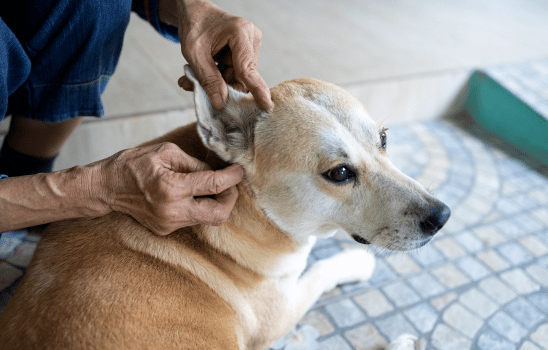
Tips to Reduce Parasites



Foran Parazole Wormer for Cats & Dogs, 100ml
Choose your option



Beaphar FIPROtec Flea & Tick Spot-On for Small Dogs (2-10kg), 1 Pipette
Choose your option



Beaphar FIPROtec Flea & Tick Spot-On for Medium Dogs (10-20kg), 1 Pipette
Choose your option



Beaphar FIPROtec Flea & Tick Spot-On for Large Dogs (20-40kg)
Choose your option
Products We Recommend
Frequently Asked Questions
Does my indoor dog still need parasite protection?
Does my indoor dog still need parasite protection?
Even dogs that spend most of their time indoors can be exposed to parasites, particularly during walks or through contact with other animals.
Can puppies get worms?
Can puppies get worms?
Yes. Puppies are particularly vulnerable, which is why early prevention is important.
How do I know if my dog has fleas?
How do I know if my dog has fleas?
Frequent scratching, flea dirt and seeing live fleas are common signs.
Should I remove ticks straight away?
Should I remove ticks straight away?
Yes. Use a suitable tick removal tool and remove them carefully as soon as you notice them.
Can people catch worms from dogs?
Can people catch worms from dogs?
Some parasites can affect people, which is another reason why good hygiene and regular preventative treatment are important.
